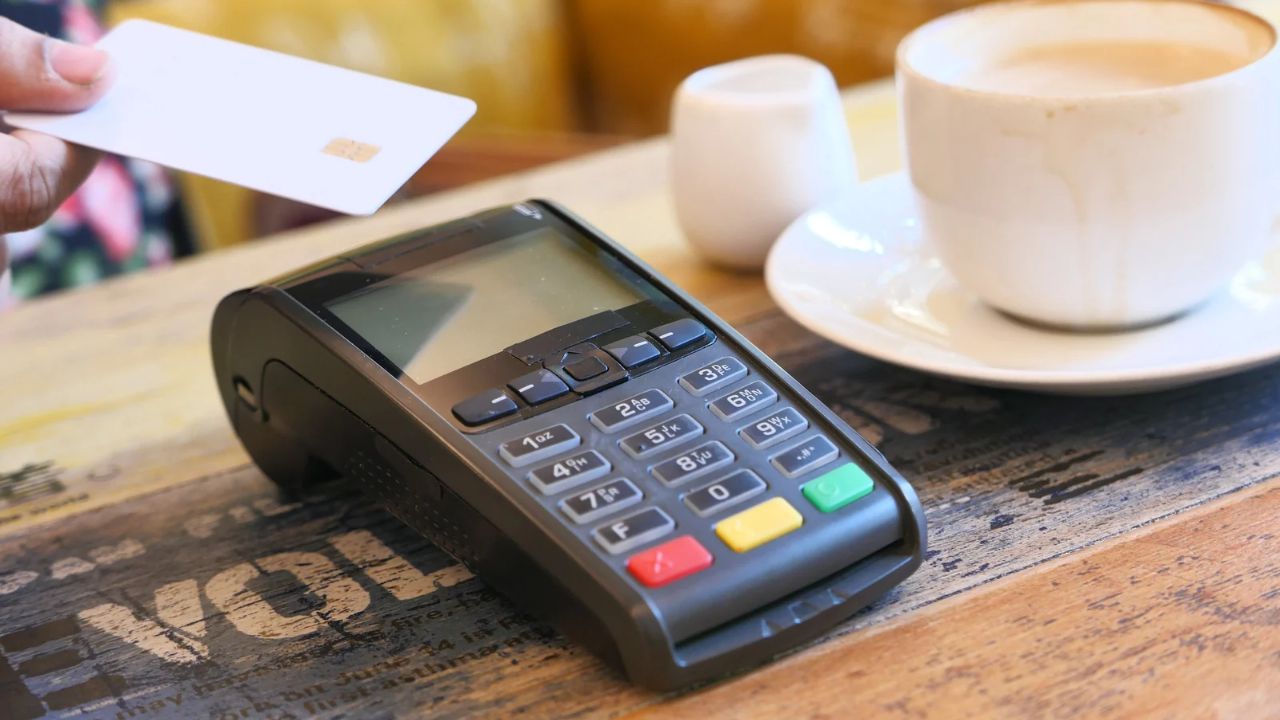
Example scenario: a renewal for your AI writing tool fails at 11 p.m. on a Sunday, and a client deadline is the next morning. You search for an instant virtual card, find a site that promises a card “in seconds”, pay, and then discover the fine print: identity verification takes up to two business days, the deposit has to clear first, and the card arrives with a monthly fee you did not see on the landing page.
“Instant” is one of the most stretched words in fintech marketing. Sometimes it means the card number appears the moment you pay. Sometimes it means only that the application form is quick. This guide breaks down what an instant virtual card can mean, where the hidden waits usually sit, and the checklist worth running before you hand over money.
The four meanings of “instant”
1. Instant approval
This is a credit term. It means the issuer makes a quick decision on an application, usually for a credit card. Approval is not the same as having a usable card: some issuers still mail the card, and others show a virtual number only after extra checks. Be wary of any “instant approval” promise on a product that is not credit at all.
2. Instant issuance
The card number, expiry and security code are generated as soon as an order goes through. Many banks and fintech apps do this for virtual cards once your account is open and verified.
3. Instant funding
The card has spendable money on it right away. This depends on how you fund it. A card top-up can be immediate, a bank transfer can take hours or days, and a crypto deposit is credited after the blockchain confirms it.
4. Instant delivery after purchase
For prepaid card sellers, the question is whether card details appear the moment you buy, or whether a person prepares the card after your order. Both are common, and honest providers say which applies to each card.
Where the hidden waits usually are
| Step | Why it can take time | What to ask before paying |
|---|---|---|
| Account opening | Identity checks, document review, phone verification | What do I need to sign up, and how long does review usually take? |
| Funding | Bank transfers clear slowly; crypto needs network confirmations | Which funding methods are accepted, and when is the balance usable? |
| Card preparation | Some cards are prepared manually after purchase | Is this specific card delivered automatically or prepared by staff? |
| First payment | 3D Secure codes, merchant fraud checks, billing address mismatch | Does the card support 3D Secure, and which billing address should I use? |
| Wallet setup | Apple Pay or Google Pay provisioning depends on the issuer and country | Is this card shown as wallet-compatible? |
The buyer’s checklist
Run through these before you buy any virtual card sold as instant. A good provider answers all of them on its own pages.
- Is it prepaid, debit or credit? Prepaid cards spend a loaded balance. Debit cards spend your bank balance. Credit cards borrow. Many products sold as “virtual credit cards” are prepaid.
- What is the total cost, in writing? Look for issue charges, monthly fees, top-up percentages, foreign transaction fees and inactivity fees. A fixed card price that shows how much becomes spendable balance is easier to judge than a list of small percentages.
- Which currency is the card in? A card in the currency your merchant bills in avoids a conversion on every charge.
- Which network and issuing country? Visa and Mastercard are the most widely accepted. Some merchants treat cards from certain countries differently.
- Can it be reloaded? A non-reloadable card is fine for a one-off purchase but awkward for subscriptions.
- How long is it valid? Check the expiry date before you put a yearly subscription on it.
- What is the refund policy? Find out what happens if the card cannot be issued, and whether an unused balance can be refunded. Many prepaid sellers treat card purchases as final.
- Does it support 3D Secure? Many checkouts ask for it, and a card without it can be declined.
- Which merchants have problems with it? No provider can guarantee acceptance. Some subscription, cloud and API providers decline prepaid cards. Check the merchant’s billing help page.
- How do you reach support? Email, live chat and messaging apps are a good sign. A contact form with no response time is not.
Red flags
- “Guaranteed acceptance everywhere.” Every merchant decides which cards it accepts. Nobody can guarantee it.
- Fees that appear only at checkout. If the price changes between the product page and payment, walk away.
- No terms, refund or contact page. A real business publishes how it handles problems.
- Promises to get around rules. Any card marketed as a way past sanctions, a platform’s review, a merchant’s fraud checks or repeat free trials is a risk to you, not a feature.
- Pressure tactics. Countdown timers and “last cards available” banners on a digital product are a warning sign.
Know which protections apply
Consumer protection depends on where the card is issued and how it is regulated. In the US, for example, the CFPB’s page on prepaid account protections explains that since April 2019 many prepaid accounts must give upfront fee disclosures and offer protections for errors, loss and theft. Cards issued elsewhere follow other rules, and some sellers set their own policies. Read the provider’s terms before loading a large balance.
How fast is fast enough?
Match the speed you need to the situation:
- A renewal fails tonight: you need a card whose details appear right after purchase and a funding method you can complete now.
- You are planning ahead: speed matters less than fees, currency, validity and acceptance. Take the time to compare.
- You run ads or many subscriptions: pick a provider where you can hold several cards from one balance, so the next card is quick to add.
Example: dashboard delivery at Vizovcc
Vizovcc is one example of how a prepaid card seller handles “instant”. It does not offer credit or instant approval. You sign up with an email address, add crypto such as Bitcoin, USDT, USDC or ETH to an account balance, and buy a prepaid virtual card from that balance. The deposit is usable once it is credited after network confirmation, and sending crypto on the wrong network or to the wrong address usually cannot be recovered, so double-check both.
Card details (number, expiry and security code) appear in the dashboard once the card is ready. Many cards are ready within minutes, and some are prepared by the team after purchase, so delivery time is not guaranteed. Against the checklist above:
- Cost: each card page shows a fixed price and how it splits between the card issue charge and the spendable balance. Some cards list a small fee on international transactions.
- Currency and network: about 54 cards across Visa, Mastercard, American Express, Maestro, JCB and UnionPay, including USD and several local currencies.
- Security: 3D Secure support, plus freeze and unfreeze from the dashboard.
- Support: email, live chat, WhatsApp and Telegram.
- Refunds: card purchases are final, so pick the card carefully.
- Acceptance: prepaid acceptance varies by merchant, and funding is crypto only.
Vizovcc has published a walkthrough of buying a prepaid card with crypto if you want to see the steps in detail.
FAQ
Can I really get a virtual card in minutes?
Often, yes, if your account is already set up and funded and the card is delivered automatically. The first time, account checks and funding usually take longer than the card itself.
Is an instant virtual card safe?
Speed has nothing to do with safety. Look at who issues the card, what the terms say, whether it supports 3D Secure and how you reach support.
Why was my new virtual card declined?
Common reasons are insufficient balance, a billing address mismatch, a failed 3D Secure check, or a merchant that does not accept prepaid cards or cards from that country.
Key takeaways
- “Instant” can mean approval, issuance, funding or delivery. Find out which one a provider means.
- The usual delays are account checks, funding and manual card preparation, not the card number itself.
- Check the total cost, currency, validity, refund policy, 3D Secure and support before you buy.
- No provider can guarantee merchant acceptance, so test with a small payment.
Set up and fund your account before you need the card, so the next failed renewal takes minutes instead of days. If you want a crypto-funded prepaid option with dashboard delivery, compare the card pages at Vizovcc.
Leave a Reply