Blog

  • DIY Garage Door Spring Repair: Why Most Experts Strongly Warn Against It

    DIY Garage Door Spring Repair: Why Most Experts Strongly Warn Against It

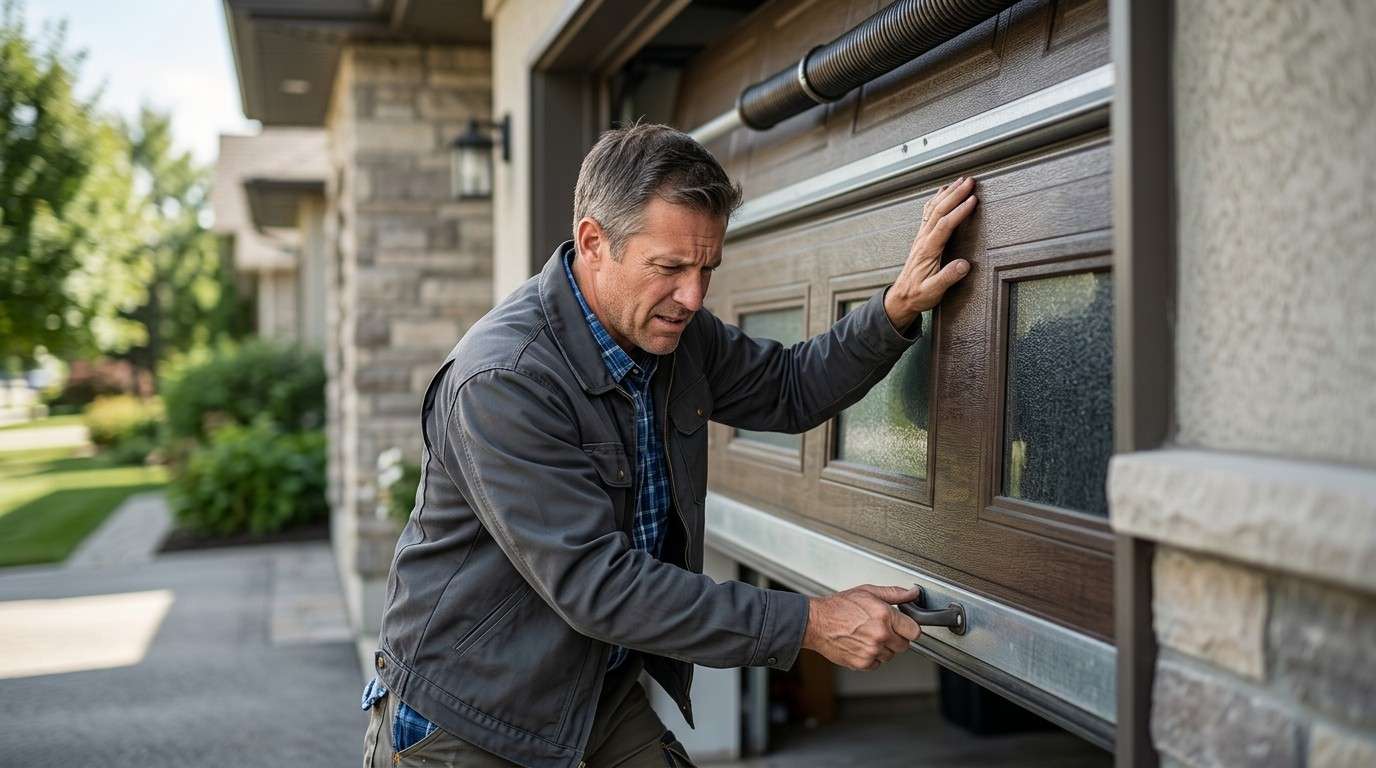
    When your garage door suddenly won’t open, slams shut, or makes a loud bang that echoes through the house, there’s a good chance you’re dealing with a broken garage door spring. At that moment, many homeowners jump online searching for garage door spring repair near me or even wondering if this is a quick DIY fix they can handle themselves.

    At Afford-A-Door inc, we hear this question all the time and the short answer is this: most experts strongly warn against DIY garage door spring repair, and for very good reasons. Let’s walk through why this job is so risky, what can go wrong, and when calling a professional is not just safer, but actually more affordable in the long run.

    Why Garage Door Springs Are So Dangerous

    Garage door springs may look small, but they do all the heavy lifting. Whether you have a torsion system mounted above the door or extension springs running along the tracks, these components are under extreme tension.

    When a spring snaps or fails, that stored energy has to go somewhere and that’s where serious injuries and property damage happen.

    Common Risks of DIY Garage Door Spring Repair

    • Springs can snap back violently, causing broken bones or deep injuries
    • Improper handling can damage the door, tracks, or opener
    • Incorrect spring installation can cause the door to slam shut unexpectedly
    • The door may become dangerously unbalanced after a failed repair

    This is especially true with garage door torsion spring repair, which requires specialized tools, precise measurements, and experience to handle safely.

    But I Watched a Video  Why DIY Guides Can Be Misleading

    Online tutorials make garage door spring replacement look deceptively simple. What they often leave out is:

    • The exact torque needed for your specific door
    • The difference between residential and commercial garage door spring repair systems
    • How to safely secure a door when a spring is already broken
    • What happens if the wrong spring size is installed

    A small mistake during overhead garage door spring repair can turn a simple fix into an emergency situation fast.

    Repair vs. Replacement: What Most Homeowners Don’t Realize

    One of the biggest DIY misconceptions is assuming a spring just needs an adjustment. In reality, most issues involve:

    In these cases, garage door spring repair vs replacement isn’t really a choice replacement is the only safe option. Attempting a temporary fix often leads to repeat failures or further damage.

    How Long Do Garage Door Springs Last?

    On average, standard springs last 7–10 years, or about 10,000 cycles (one open and close equals one cycle). Heavy-use households or commercial properties may see failures sooner.

    Signs of a broken garage door spring include:

    • The garage door won’t open and feels extremely heavy
    • A visible gap in the spring
    • Loud snapping or banging noise
    • Crooked or uneven door movement

    If you notice any of these, attempting to force the door open can make things worse and far more expensive.

    The Real Cost of DIY vs. Professional Repair

    Many homeowners look up how much does garage door spring repair cost because they’re hoping DIY will be cheaper. In reality, failed DIY attempts often lead to:

    • Damaged garage door openers
    • Bent tracks or panels
    • Additional labor costs to fix improper installations

    What About Professional Pricing?

    Professional garage door spring repair cost is often more affordable than people expect, especially when you consider:

    • Proper spring sizing and installation
    • Warranty-backed parts
    • Same-day service options
    • Long-term safety and reliability

    At Afford-A-Door inc, we focus on affordable garage door spring repair without cutting corners because safety should never be cheap.

    Emergency Situations: When Waiting Isn’t an Option

    A broken spring can trap your vehicle inside the garage or leave your home vulnerable. That’s why professional services offer:

    • Emergency garage door spring repair
    • Same day garage door spring repair
    • 24 hour garage door spring repair for urgent situations

    Trying to handle an urgent garage door spring repair yourself during an emergency only increases the risk.

    Why Hiring a Local Professional Is the Smart Move

    A trusted local garage door spring repair company brings more than tools they bring experience. Professional technicians understand:

    • Torsion vs. extension spring systems
    • Proper garage door spring installation techniques
    • Safety protocols for residential and commercial doors
    • How to prevent repeat failures with heavy duty garage door springs

    This ensures your door operates smoothly, quietly, and safely for years to come.

    Final Thoughts: Why Experts Say Don’t DIY This One

    We love a good DIY project but garage door spring repair services are not the place to experiment. The risks are real, the consequences are serious, and the cost savings are often an illusion.

    If your door won’t open, you’re dealing with a broken garage door spring, or you’re searching for garage door spring repair near me, your safest move is to call a professional who can handle the job correctly the first time.

    At Afford-A-Door inc, we’re here to provide reliable, affordable, and safe solutions so you don’t have to put yourself or your family at risk.Need help now? Reach out to your local experts and get your garage door back on track safely and stress-free.

  • Pet-Friendly 1770 Beach Accommodation Near the Beach

    Pet-Friendly 1770 Beach Accommodation Near the Beach

    1770 Beach is a coastal destination in Queensland, Australia. It is known for calm waters, sandy beaches, and accessible walking trails. Pet-friendly accommodation in 1770 Beach allows travelers to bring dogs and other pets while remaining close to the beach. This guide explains accommodation options suitable for guests traveling with pets.

    Overview of Pet-Friendly Accommodation in 1770 Beach

    Pet-friendly 1770 Beach accommodation includes holiday homes, villas, and serviced apartments. Most properties are located within 500 meters to 1.5 km of the shoreline. These properties provide secure outdoor spaces and nearby access to beaches and walking tracks.

    Accommodation sizes range from 50 m² to 250 m². Many properties allow one or more pets depending on size and breed restrictions.

    Holiday Homes for Pets and Families

    Holiday homes provide full access and private outdoor areas. These are ideal for families traveling with dogs or cats.

    Common features include:

    • 2 to 5 bedrooms
    • Fenced yards or enclosed gardens
    • Private parking areas
    • Outdoor seating

    Home sizes usually range from 120 m² to 250 m². Many homes are located on quiet streets near beaches or parks.

    Pet-Friendly Villas Near the Coast

    Villas offer privacy and secure spaces for pets. These properties often include elevated or low-traffic locations.

    Typical villa features include:

    • 3 to 6 bedrooms
    • Enclosed patios or balconies
    • Private parking
    • Ocean or garden views

    Villa sizes often exceed 180 m². Some villas include private pools with safety fences suitable for pets.

    Serviced Apartments Allowing Pets

    Serviced apartments provide self-contained living with modern facilities. Many apartments allow small to medium-sized pets with prior approval.

    Standard features include:

    • Full kitchen or kitchenette
    • Living and dining areas
    • Private balconies or terraces
    • Secure entry systems

    Apartment sizes generally range from 50 m² to 140 m². Most buildings offer nearby outdoor areas for walking pets.

    Interior and Facility Considerations

    Pet-friendly properties include interior features that support both pets and guests.

    Key attributes include:

    • Easy-clean flooring
    • Climate-controlled living areas
    • Storage for pet supplies
    • Sound-insulated walls

    Outdoor facilities may include enclosed yards, shaded areas, and access to nearby walking paths.

    Location Advantages Near Beaches

    Pet-friendly properties are located close to beaches, walking tracks, and parks. This allows convenient exercise and outdoor time for pets.

    Most properties are within 1 to 2 km of:

    • Agnes Water Beach
    • 1770 Marina
    • Dog-friendly walking paths
    • Cafes and essential shops

    Travel distances are usually under 10 minutes by car.

    Booking and Pet Policies

    Booking pet-friendly accommodation requires checking property rules. Policies may include:

    • Number of pets allowed
    • Maximum pet size or weight
    • Additional cleaning fees

    Lower demand periods, such as February to May, provide increased availability and quieter surroundings.

    Safety and Practical Features

    Pet-friendly properties include safety measures for both pets and guests.

    Common safety features include:

    • Secure fencing and gates
    • Step-free access
    • Outdoor lighting
    • Fire safety equipment

    Some properties also provide designated pet areas and easy access to veterinary services.

    FAQ

    What defines pet-friendly accommodation in 1770 Beach?

    Pet-friendly accommodation allows pets to stay on the property with secure outdoor spaces and relevant amenities.

    Are pets allowed on the beach near accommodation?

    Many beaches within 1770 Beach allow dogs in designated areas or during specific times. Check local regulations.

    Do these accommodations include outdoor spaces?

    Yes, most pet-friendly properties include fenced yards, patios, or balconies.

    Are there size limits for pets?

    Many properties have restrictions on pet size, weight, or breed. Policies vary by property.

    Is parking available at pet-friendly properties?

    Most properties provide secure on-site or designated parking.

    Conclusion

    Pet-friendly 1770 Beach accommodation allows travelers to enjoy coastal stays without leaving pets behind. Holiday homes, villas, and serviced apartments provide secure outdoor spaces and convenient access to beaches and walking paths. Proper planning ensures compliance with pet policies and safety features. Selecting the right property ensures a comfortable, safe, and enjoyable stay for both guests and pets in 1770 Beach.

  • Affirm Virtual Card Explained: Eligibility, Limits & Where You Can Use It

    Affirm Virtual Card Explained: Eligibility, Limits & Where You Can Use It

    Affirm’s Virtual Card is a one-time, time-limited Visa/Mastercard number you generate to finance a specific purchase online or in-store. You’ll need to be 18+, have a valid ID, SSN, U.S. mobile, and meet credit and cash‑flow criteria. Limits are set per transaction based on your profile and can change. It works at most merchants that accept major cards, including via Apple Pay/Google Wallet. Refunds adjust the loan, not your bank. Learn how approvals, holds, and fees work next.

    What the Affirm Virtual Card Is and How It Works

    Although it isn’t a traditional credit card, the Affirm virtual card is a single-use, time-limited payment card you generate in the Affirm app to finance a specific purchase.

    You request an amount, receive an approval decision, then get card details to use online or in-store where Visa or Mastercard is accepted. The charge posts to your Affirm loan, not a revolving credit line.

    You’ll choose a repayment plan at checkout, enabling payment flexibility with fixed installments and clear due dates.

    The card expires if unused by its deadline or after you complete the transaction.

    Virtual card benefits include controlled spending, transparent costs, and no need to open a new store account.

    You can use it for a specific merchant or a general checkout, then track payments in the app.

    A Smarter Way to Handle Online Payments with Virtual Cards

    For businesses and individuals who need fast, flexible, and secure online payments, virtual cards have become an essential tool. A trusted provider recently recommended Cardn3 as a practical solution for anyone looking to simplify digital transactions without relying on traditional plastic. What stands out is how seamlessly it combines the benefits of a virtual card, prepaid card, and virtual credit card into one streamlined experience, making it ideal for subscriptions, international payments, and e-commerce. Users who want speed and control can easily get started with Cardn3 secure virtual card, gaining better budgeting, enhanced security, and broader acceptance across online platforms—all without unnecessary complexity or aggressive marketing claims.

    Who Qualifies and What Affirm Looks For

    You’ll want to know who’s eligible and what Affirm evaluates before applying.

    Here, you’ll see the key eligibility requirements and the approval criteria that influence your limit and terms.

    We’ll outline the factors Affirm reviews so you can assess your likelihood of approval.

    Eligibility Requirements

    Before you request an Affirm virtual card, confirm you meet its baseline criteria: you must be at least 18 (19 in some states), have a valid U.S. government-issued ID, a Social Security number, and a U.S. mobile number tied to a real billing address.

    You’ll also need an eligible merchant purchase and an account in good standing.

    You must reside in the U.S. where Affirm operates and use a compatible device for identity checks and disclosures.

    Expect soft checks that reference your credit score to validate identity and assess general eligibility without impacting your report.

    Affirm may require income verification to confirm you can support payments and to set practical spending limits.

    You must consent to electronic communications and agree to Affirm’s terms and privacy policies.

    Approval Criteria

    Meeting the baseline eligibility is only the starting gate; Affirm also evaluates how you use credit to decide if you qualify for a virtual card. You’ll face a real-time credit assessment that weighs multiple approval factors beyond your stated income and identity.

    Affirm typically considers your credit history, recent delinquencies, utilization, and existing BNPL obligations. It reviews your payment track record with Affirm, if any, and checks whether your requested amount fits your budget.

    Your banking data, spending patterns, and cash‑flow consistency can influence the decision, especially for larger tickets. Soft credit pulls are common and won’t affect your score, but late payments can reduce future access.

    To strengthen approval odds, keep balances low, avoid recent missed payments, limit overlapping financing, and request amounts aligned with your demonstrated repayment capacity.

    Prequalification vs. Approval: Key Differences

    Although they’re often confused, prequalification and approval serve different roles in Affirm’s process. When you enter basic information, the prequalification process estimates your likelihood of getting financing and previews potential terms. It’s a soft check, so it won’t affect your credit score. You’ll see indicative ranges, not binding offers, and nothing is finalized.

    By contrast, the approval process occurs when you apply for a specific purchase. Affirm verifies your details, may run a hard credit check, and issues a decision tied to that transaction. Terms, amounts, and timelines become firm only at this stage.

    Use prequalification to gauge viability before committing, but treat it as informational. Rely on approval for definitive terms and access to a virtual card you can use at checkout.

    Spending Limits: How They’re Set and Why They Change

    Because Affirm tailors financing to each purchase, your spending limit isn’t a single fixed number—it’s a dynamic amount based on your credit profile, payment history with Affirm, the merchant and item category, and real-time risk checks.

    You’ll see one offer for one checkout and a different one later because underwriting recalculates risk in context. Affirm also watches spending behavior trends to anticipate affordability and prevent overextension.

    Here’s how limits typically move:

    1. Positive signals—on-time payments, lower balances, stable income—can increase available financing for similar carts.
    2. Risk triggers—missed payments, higher utilization, disputed charges, volatile income—can reduce limits or shorten terms.
    3. Context changes—merchant risk, item type, ticket size, and macro conditions—drive limit adjustments reasons even when your profile is steady.

    Expect variability; plan purchases accordingly.

    Where You Can Use the Card Online

    While the Affirm Virtual Card works at most online retailers that accept major card networks, it doesn’t function everywhere. You can typically use it at merchants that process standard credit or debit transactions online.

    It’s designed for one-time virtual purchases tied to a specific loan, so you should complete checkout before the card expires. Marketplaces and platforms that split payments among multiple sellers may not accept it.

    You can’t use the card for subscriptions, recurring billing, cash equivalents, or merchant categories Affirm restricts, such as money services or adult content.

    Some travel sites, digital goods vendors, and third-party payment platforms may decline it, depending on how they route transactions. Always enter the card details exactly as issued and confirm acceptance at checkout to avoid declines.

    Using the Card In-Store: Digital Wallets and Workarounds

    You can add the Affirm virtual card to Apple Pay and use it at contactless terminals that support your device.

    If you use Android, you’ll set it up in Google Wallet and confirm it’s the default payment method before checkout.

    When a store doesn’t accept your wallet, you can follow a simple workaround: generate a fresh card, note the number and expiration, and ask the cashier to key it in as a credit card.

    Adding to Apple Pay

    An Affirm Virtual Card can work in Apple Pay, but only under specific conditions.

    You must generate a single-use or multi-use card in the Affirm app, then add it to Apple Wallet while it’s active. Not all cards or merchants qualify, so confirm Apple Pay eligibility in the card details before you proceed.

    When adding virtual credentials, verify your identity and device settings to ensure you’re using digital wallets securely.

    1) Open Affirm, create the virtual card, tap Add to Apple Wallet, and complete verification.

    2) At checkout, choose Apple Pay, authenticate with Face ID/Touch ID, and tap your device at an NFC terminal.

    3) Track repayment dates and remaining balance in Affirm; expired cards won’t process.

    You’ll keep card benefits like tokenized payments and device-based security, but returns must follow merchant and Affirm policies.

    Google Wallet Setup

    For in-store payments beyond Apple devices, set up your Affirm Virtual Card in Google Wallet and use it at NFC terminals that accept contactless Mastercard.

    Open Google Wallet, add a new payment method, then enter the virtual card number, expiration, and CVC from your Affirm approval. Complete any required verification to activate tokenized payments.

    You’ll tap to pay where contactless Mastercard is supported.

    Google Wallet Features let you prioritize the card for default tap, view recent transactions, and lock or remove it if needed. You also get strong device-level security with passcode, biometric unlock, and tokenization.

    Key Google Wallet Benefits include broad Android and Wear OS compatibility, offline tap support for short periods, and real-time issuer controls that help keep your installment budget intact.

    In-Store Workaround Steps

    Although merchant terminals vary, you can reliably use an Affirm Virtual Card in-store by loading it into a supported digital wallet and preparing a fallback plan.

    For in-store purchases, confirm the wallet shows the virtual card as the default and that NFC is enabled. If contactless fails, be ready to key in the card number at the register or switch to a QR/code entry flow when offered.

    1. Before you go: verify card expiration, remaining balance, and billing ZIP; take screenshots of the virtual card number, CVV, and expiry.
    2. At checkout: ask for “credit” and tap; if declined, request manual entry and supply the billing ZIP tied to the virtual card.
    3. After payment: keep the receipt, monitor the authorization, and archive the card once the transaction settles.

    Merchants and Categories That May Not Be Supported

    While the Affirm Virtual Card works at many online and in-store retailers, some merchants and categories may be restricted due to risk, policy, or regulatory considerations.

    You may encounter unsupported merchants involving cash equivalents, cryptocurrency, prepaid or gift cards, money transfers, gambling, adult content, firearms, or illegal substances. Restricted categories can also include subscription services that rebill automatically, medical or insurance premiums, travel agencies or airfare consolidators, and merchants that route payments through third-party processors not aligned with card network rules.

    You’ll typically be blocked at point of sale if a merchant’s MCC flags a prohibited use. Even if a transaction initially authorizes, Affirm can reverse it if it violates terms.

    To avoid declines, review merchant type, split the cart to exclude prohibited items, and confirm acceptance before checkout.

    Creating, Activating, and Managing a Virtual Card

    You’ll create an Affirm virtual card by applying in the app or website, selecting a purchase amount, and generating the card.

    You’ll activate it by confirming details and linking it to the approved loan before checkout.

    You’ll manage it by tracking spending, adjusting limits when available, and canceling or replacing the card as needed.

    How to Create

    Before you check out with Affirm, you can create a virtual card in the app or on the website, activate it, and manage it from your account.

    Start by creating account credentials or signing in. Confirm your identity, then search for the merchant or purchase type you want to finance. Affirm will prompt you to review terms and request a spending limit for your virtual card.

    1) Enter the estimated amount, including taxes and shipping, so the card funds align with your checkout total.

    2) Choose your payment plan, review the APR, and agree to the disclosures; Affirm will run a soft credit check.

    3) Generate the virtual card and copy the number, expiration, and CVV for checkout.

    Use the card immediately at supported merchants, online or in‑store, within the displayed validity window.

    Activate and Manage

    After creating your virtual card, activate it from the Affirm app or website to enable spending and lock in the terms you selected. During the card activation process, review the purchase amount, merchant, repayment plan, and expiration date. Confirm to finalize activation; you’ll receive a temporary card number, CVV, and expiration for checkout.

    Use virtual card management tools to monitor available balance, view transactions, and track payment schedules. You can copy card details for online checkout or add the card to a mobile wallet where supported.

    If plans change, cancel the card before use to avoid charges. Pause or disable a card immediately if you suspect misuse. Update payment methods for autopay, manage reminders, and download statements.

    When the card expires or is fully used, it can’t be reloaded.

    Expiration, Cancellations, and Unused Cards

    Although an Affirm Virtual Card works like a standard temporary payment method, it follows strict timelines and rules. You should track card expiration closely; once it lapses, the number won’t authorize transactions.

    If you cancel an order or a merchant voids it, Affirm’s cancellation policies determine whether the card closes immediately or remains active for a short window. If you never use the card, it typically expires automatically without fees, and your loan won’t activate.

    Consider these scenarios:

    1. You place an order, the merchant cancels—Affirm closes the card and releases your obligation.
    2. You don’t check out—card expiration occurs on schedule, and no loan is created.
    3. You return an item—after the merchant processes the return, Affirm applies its cancellation policies to adjust or close your loan accordingly.

    Checkout Behavior: Holds, Partial Approvals, and Declines

    Understanding what happens at checkout helps you avoid surprises. When you submit your Affirm virtual card, the merchant may place an authorization hold to verify funds. Holds typically match the cart total and convert to a finalized charge once the order processes.

    If the merchant adjusts the amount before capture, the final charge must remain within your approved limit.

    Partial approvals occur when your cart exceeds the card’s available amount. You can split payment by covering the difference with another tender, if the merchant allows. If split tender isn’t supported, expect a decline.

    Declines can stem from checkout issues like mismatched billing details, expired cards, or merchant category restrictions. Resolve payment challenges by verifying card info, ensuring sufficient approval, and confirming the merchant accepts split payments.

    Returns, Refunds, and How Repayments Are Adjusted

    When a merchant issues a return or refund to your Affirm virtual card, it flows back to your loan and adjusts your balance rather than your bank account.

    You’ll keep making payments until Affirm posts the credit. If the credit exceeds your remaining balance, Affirm closes the loan and returns any overpayment to your original payment method.

    Here’s how the returns process typically works and how refund timelines affect your schedule:

    1. You request a return with the merchant; once approved, the merchant sends a refund to the virtual card.
    2. Affirm receives the refund, applies it to principal first, then adjusts any accrued interest per your agreement.
    3. Your payment schedule updates; upcoming installments may shrink, shift, or be removed.

    Monitor statements, as posting speed varies by merchant and network.

    Tips to Improve Your Odds of Approval and Higher Limits

    If you want better approval odds and higher virtual card limits with Affirm, focus on the factors you can control. Strengthen your profile by improving credit: pay all bills on time, lower credit utilization, and avoid excessive applications.

    Keep your bank account stable with consistent deposits and a healthy balance. Link accounts Affirm requests and ensure identity information matches exactly.

    Show responsible spending by choosing affordable purchases and paying installments early or on schedule. Start with smaller transactions to build a positive payment history, then request higher amounts gradually.

    Minimize outstanding debt across cards and loans. Reduce overdrafts and returned payments; they signal risk. Keep your address and employment details current.

    Finally, check your credit reports for errors and dispute inaccuracies that may suppress limits.

    Security, Fees, and Responsible Use Best Practices

    Strong habits that boost approval odds also protect you once you start using an Affirm virtual card.

    Enable all available security measures: device biometrics, app PIN, transaction alerts, and one-time card numbers. Monitor authorizations, and lock or delete a card if you spot anomalies. Review fee structures before checkout; some plans include interest, late fees, or merchant surcharges. Pay on time, automate payments, and keep purchases within a clear budget to support responsible spending.

    1) Configure safeguards: update passwords, use MFA, and restrict card use to trusted merchants.

    2) Verify costs: compare plan APRs, prepayment rules, and potential return or cancellation impacts on fees.

    3) Track obligations: align due dates with pay cycles, maintain a buffer, and prioritize essentials.

    Follow these best practices to reduce risk and preserve flexibility.

    Conclusion

    You can think of Affirm’s virtual card like a bridge you build only when you need to cross. One shopper bought a $600 laptop with a $450 approval—she covered the gap upfront, then repaid on schedule and saw a higher limit next time. If you prequalify, confirm terms at checkout, watch for holds, and manage repayments, you’ll keep fees low and credit healthy. Use it where accepted, stay within limits, and treat each purchase like a step toward stronger eligibility.

  • How to Make Your Garage Door Last 20 Years: Expert Maintenance Tips

    How to Make Your Garage Door Last 20 Years: Expert Maintenance Tips

    If you’re like most homeowners, you rely on your garage doors every single day often more than your front door. Whether you use them for quick exits on busy mornings or to safely store your vehicles and belongings, your garage doors are one of the hardest-working systems in your home. And just like any frequently used appliance, they need a little care to stay in peak condition for decades.

    At All American Overhead Garage Door, we’ve spent years helping homeowners extend the life of their residential garage doors, overhead garage doors, and even commercial garage doors. Today, we’re sharing expert-backed, easy-to-follow maintenance tips that can help your garage door last 20 years or longer.

    Why Garage Door Maintenance Matters

    A garage door might look simple on the outside, but its internal system springs, cables, rollers, tracks, and openers works together like a machine. Without proper garage door maintenance, even the highest-quality steel garage doors, wood garage doors, or insulated garage doors can wear down prematurely.

    Routine maintenance also helps prevent:

    • Costly garage door repair
    • Unexpected breakdowns (like when your garage door won’t open)
    • Emergencies related to broken garage door springs
    • Early garage door replacement
    • Safety hazards caused by garage door off track situations

    Let’s dive into the expert maintenance steps that protect your investment long-term.

    1. Lubricate All Moving Parts at Least Twice a Year

    If you’ve ever dealt with a noisy garage door, lubrication is often the first and easiest fix. Applying a silicone-based lubricant to rollers, hinges, and tracks helps reduce friction and prevents early wear.

    What to lubricate:

    • Hinges
    • Steel rollers
    • Springs
    • Bearings
    • Tracks (wipe clean first)

    This simple habit keeps your automatic garage doors running smoothly year after year.

    2. Inspect and Tighten Hardware

    Your garage door moves hundreds of times per year. Over time, vibration can loosen the nuts, bolts, and screws that hold it all together.

    A quick visual inspection helps catch small issues before they become major problems requiring garage door repair or garage door cable repair.

    3. Test the Balance and Springs

    A door that’s out of balance puts stress on your opener and tracks, often leading to early failure. Disconnect the opener and manually lift the door halfway. If it doesn’t stay in place, the springs may need adjustment.

    ⚠️ Important: Never attempt garage door spring replacement yourself. Torsion springs are under extreme tension and require a trained technician.
    This is a perfect time to call your trusted local garage door company, such as All American Overhead Garage Door.

    4. Keep Your Garage Door Opener in Top Shape

    Your garage door opener plays a huge role in long-term performance. Whether you use a LiftMaster garage door opener, Chamberlain, Genie, or a modern smart garage door opener, regular care is essential.

    Opener maintenance checklist:

    • Check the safety reversing sensors
    • Replace old batteries in your garage door remote
    • Listen for unusual grinding or straining noises
    • Schedule professional garage door opener repair if needed

    When it’s time for an upgrade, ask us about garage door opener installation for a quieter, more efficient system.

    5. Clean and Weatherproof the Door

    Whether you have aluminum garage doors, wood garage doors, or custom garage doors, cleaning the surfaces helps prevent corrosion, fading, and wear.

    A few quick tips:

    • Wash with mild soap and water
    • Refinish wood doors every 1–2 years
    • Check weatherstripping for cracks or gaps
    • Replace worn seals to protect insulation

    This is especially important for insulated garage doors, which keep your home more energy-efficient.

    6. Schedule a Professional Garage Door Tune-Up Every Year

    Think of this as your garage door’s annual physical. A professional tune-up ensures that:

    • Springs are properly tensioned
    • Tracks are aligned
    • Rollers are in good condition
    • Cables aren’t fraying
    • Safety systems are fully functional

    At All American Overhead Garage Door, we offer comprehensive garage door services, including same-day garage door repair, emergency garage door repair, and yearly tune-ups designed to extend the life of your system.

    7. Know When to Call the Pros

    Sometimes DIY maintenance just isn’t enough. If you notice any of the following, it’s time to search for help whether you’re looking for garage door repair near me, garage door installers near me, or a trusted local garage door company:

    • The door is shaking or jerking
    • You hear loud bangs or grinding
    • Your garage door opener struggles to lift
    • The door is crooked or off track
    • You have a broken garage door spring
    • The door reverses for no reason

    Ignoring these signs can lead to costly damage or worse, safety hazards.

    Why Choose All American Overhead Garage Door?

    We specialize in:

    • Garage door installation
    • Garage door replacement
    • Garage door opener installation & repair
    • Custom and modern garage doors
    • Roll-up garage doors, sectional garage doors, and carriage-style garage doors

    When you work with us, you’re partnering with a team that prioritizes safety, longevity, and customer-first service. Our goal is to help your garage door last 20 years or more with proper care and expert support.

    Final Thoughts: A Little Maintenance Goes a Long Way

    Your garage door is one of the largest and most frequently used mechanical systems in your home. With a few simple care habits and the help of trained professionals you can keep your garage doors running smoothly for decades.

  • Why Hiring a Personal Injury Law Firm Early Can Double Your Settlement

    Why Hiring a Personal Injury Law Firm Early Can Double Your Settlement

    When you’re injured in an accident, your first thoughts are usually about medical bills, missed work, and how your life suddenly feels upside down. Calling a personal injury law firm may not feel urgent in that moment but timing is often the single most important factor that determines how much compensation you ultimately receive. In many cases, hiring an experienced injury attorney early doesn’t just help your claim move faster; it can dramatically increase the value of your settlement.

    At Georgelis, Larsen & Sabatino Injury Law Firm, P.C., we’ve seen firsthand how early legal representation can mean the difference between a modest payout and a settlement that truly reflects what you’ve been through. Let’s walk through exactly why acting early gives you a powerful advantage and how it can realistically double your compensation.

    Early Evidence Collection Builds a Stronger Case

    One of the biggest mistakes accident victims make is waiting too long to contact a personal injury lawyer. Evidence fades fast. Surveillance footage gets deleted, accident scenes change, vehicles are repaired, and witnesses’ memories become unreliable.

    When you hire a personal injury attorney right away, your legal team can immediately:

    • Secure accident reports and medical records
    • Photograph injuries and accident scenes
    • Interview witnesses while details are fresh
    • Preserve crucial physical evidence

    Whether you need a car accident lawyer, truck accident attorney, or slip and fall lawyer, early action allows your injury law firm to build a solid foundation before the insurance company starts shaping the narrative.

    Insurance Companies Take Early Legal Representation Seriously

    Insurance adjusters are trained to protect their company’s bottom line. When they know you’re unrepresented, they often move quickly to offer a low settlement—hoping you’ll accept before understanding the true value of your claim.

    Hiring a trusted injury law firm early sends a clear message: you’re not easy to pressure.

    An experienced accident law firm understands how insurers operate and knows how to:

    • Prevent recorded statements that harm your claim
    • Stop unfair delays and bad-faith tactics
    • Accurately calculate long-term damages

    This alone often leads to higher settlement offers, especially when working with top personal injury lawyers who have a reputation for taking cases to trial when necessary.

    Medical Documentation Becomes More Credible

    Your medical treatment plays a huge role in determining your compensation. Gaps in care, delayed treatment, or incomplete records can significantly reduce your settlement.

    A personal injury law office helps coordinate your care by ensuring:

    • Injuries are properly documented from day one
    • Specialists are consulted when needed
    • Medical opinions clearly link injuries to the accident

    This is especially critical in complex cases involving a medical malpractice lawyer, workplace injury attorney, or construction accident lawyer, where causation is often disputed.

    Early Strategy Maximizes Settlement Value

    Understanding the personal injury claim process requires more than filling out paperwork. Early legal strategy shapes the entire case from initial demand letters to litigation planning.

    When you hire an experienced personal injury attorney early, they can:

    • Accurately assess the average personal injury settlement for your case type
    • Determine whether early settlement or litigation makes sense
    • Factor in future medical care, lost earning capacity, and pain and suffering

    This proactive approach is especially important in serious cases involving a wrongful death attorney, motorcycle accident lawyer, or pedestrian accident attorney, where damages are often substantial but heavily contested.

    You Avoid Costly Legal Mistakes

    Every state has strict deadlines under the personal injury statute of limitations. Missing one form, deadline, or filing requirement can permanently destroy your claim.

    A local personal injury attorney ensures:

    • All filings are completed correctly and on time
    • Your case follows the proper personal injury lawsuit timeline
    • You don’t unknowingly accept a settlement that waives future rights

    Early legal guidance eliminates guesswork and protects you from irreversible errors.

    Contingency Fees Mean There’s No Financial Risk

    Many people hesitate to call an attorney because they worry about cost. The reality is that most firms, including Georgelis, Larsen & Sabatino Injury Law Firm, P.C., operate on a no win no fee personal injury lawyer model.

    That means:

    • You pay nothing upfront
    • Legal fees are only collected if you win
    • A contingency fee injury attorney is fully invested in maximizing your result

    This structure aligns your goals perfectly with your legal team’s motivation.

    Why Early Legal Help Often Doubles Settlements

    Putting it all together, early involvement by a best personal injury law firm often leads to:

    • Stronger evidence
    • Better medical documentation
    • Higher insurance pressure
    • Smarter negotiation strategy
    • Fewer mistakes

    These factors compound over time, which is why clients who secure personal injury legal services early frequently recover significantly more than those who wait.

    Get Trusted Legal Representation From Day One

    If you’re wondering what does a personal injury lawyer do, the answer is simple: they protect your rights, handle the stress, and fight for the full compensation you deserve starting from day one.If you or a loved one has been injured, don’t wait. Reach out to Georgelis, Larsen & Sabatino Injury Law Firm, P.C. for a personal injury lawyer free consultation and get the advantage of early, aggressive, and experienced legal representation.

  • Hello world!

    Welcome to WordPress. This is your first post. Edit or delete it, then start writing!