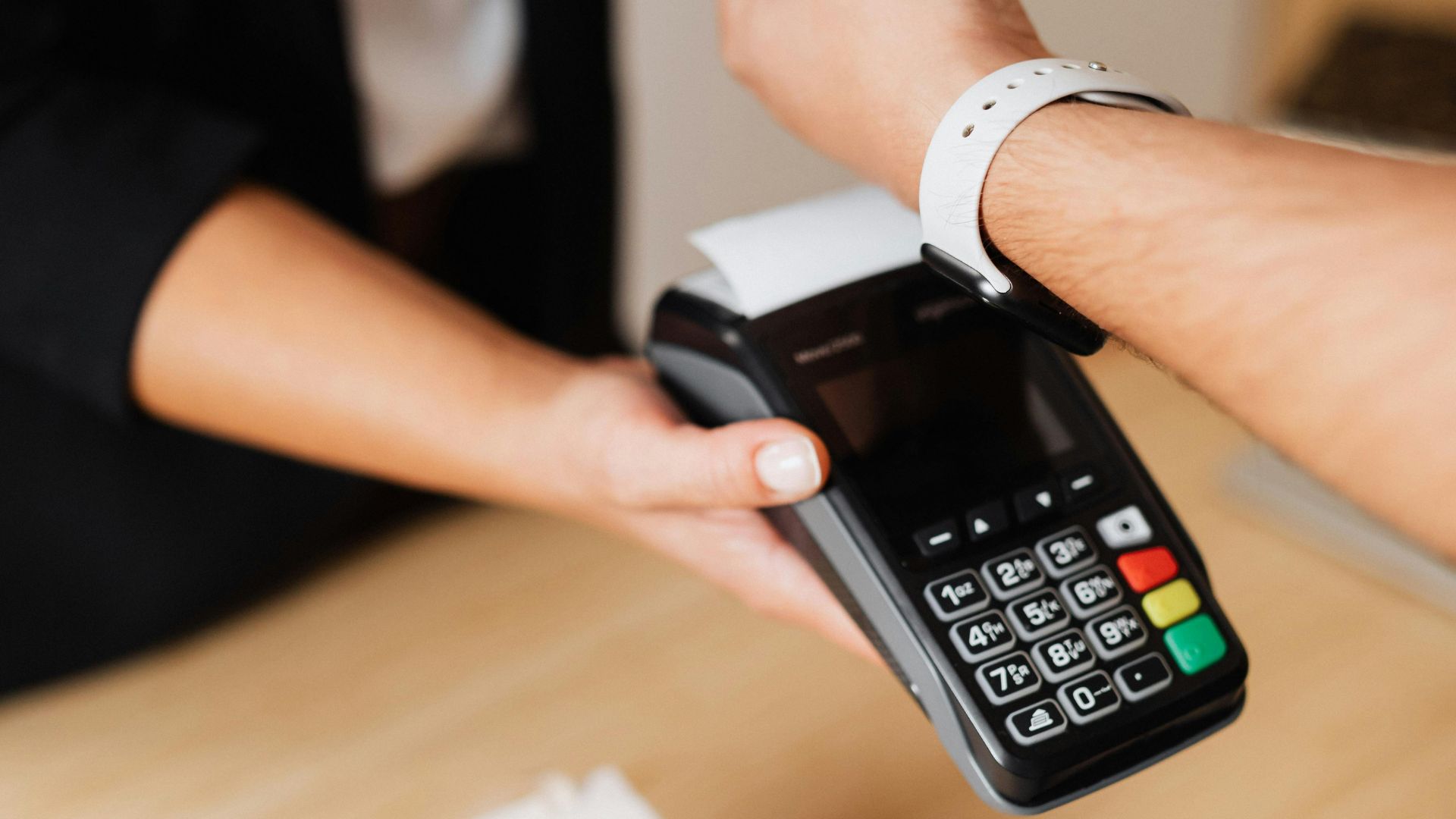
You can buy domains and hosting in Egypt through local or international registrars and pay with credit/debit cards, Vodafone Cash, Fawry, or bank transfer. Set up accounts, verify email, enter billing details, and choose EGP pricing to avoid conversion fees. Watch VAT, renewal rules, and automatic charges, and use secure gateways with 2FA. Keep invoices and payment receipts for disputes and tax claims — follow the guide below to learn practical steps, comparisons, and troubleshooting tips.
How to Pay for Hosting and Domains in Egypt : Step-by-Step
Before you buy, gather what you’ll need: a scanned ID (for some registrars), a valid email, your business or personal details, and a payment method accepted in Egypt (credit/debit card, Vodafone Cash, Fawry, or bank transfer).
Start by creating accounts with your chosen registrar and host, verify email, and enter billing info. Pay for the domain and selected hosting plan using the supported Egyptian payment option.
If you’re moving an existing site, request an authorization code, unlock the domain, and initiate domain transfer while backing up files and databases.
For hosting migration, export databases, download files, update DNS records, and confirm SSL and email settings.
Test the site on the new host before canceling the old service to avoid downtime.
Where to Buy Domains in Egypt: Local vs International Registrars
When picking a domain in Egypt, you’ll weigh local registry advantages like DNS performance, Arabic script options, and easier legal compliance.
You’ll also compare pricing and currency — local registrars may bill in EGP and avoid conversion fees, while international ones might offer promos or wider TLD choices.
Finally, check support and compliance: see who offers Arabic customer service, WHOIS privacy, and handles local regulations smoothly.
Local Registry Advantages
If you want stronger control and clearer legal standing for an .eg domain, registering through Egypt’s local registry or an accredited Egyptian registrar gives you advantages you won’t get from many international providers: faster dispute resolution under local law, support in Arabic, payment options that match local banks and mobile wallets, and often simpler documentation that reflects Egyptian ID requirements.
You’ll get local benefits like hands-on support and clearer compliance. Registry efficiency means renewals, transfers, and WHOIS updates often process quicker.
Consider these practical gains:
- Faster dispute handling and legal clarity under Egyptian rules.
- Arabic customer service, local billing, and ID-aligned paperwork.
- Better integration with Egyptian hosting, DNS providers, and government services.
These points help you decide between local vs international registrars.
Pricing And Currency
Because currency and billing matter as much as sticker price, compare how local and international registrars list and charge domain fees in Egypt: you’ll see local vendors often price in EGP and include VAT or transfer taxes up front, which shields you from short-term currency fluctuations.
International registrars list in USD or EUR, so you’ll pay whatever your bank or card converts on the day, and that can change renewal costs.
Review pricing strategies: locals may offer stable renewal bundles and promo periods, while internationals use tiered discounts, first-year bargains, and add‑on upsells.
Choose based on whether you prefer predictable EGP billing or potentially cheaper base prices with conversion risk.
Always check renewal rules and automatic billing options before registering.
Support And Compliance
While local registrars will often give you dedicated Arabic-speaking support teams and built-in compliance with Egypt’s domain rules, international registrars tend to offer broader self-service documentation and global abuse-handling processes.
You should weigh how each handles compliance standards and support systems before buying.
- Local registrars: you get fast, localized help, direct alignment with Egyptian regulations, and easier dispute resolution through local channels.
- International registrars: you benefit from extensive knowledge bases, standardized global policies, and advanced abuse-reporting workflows if you operate across borders.
- Hybrid approach: register critical national domains locally for compliance, and use international providers for global projects to leverage robust support systems.
Choose based on your risk tolerance, technical needs, and how strictly you must meet local compliance standards.
Buying From Unknown Shops Without the Worry
Some online deals are irresistible and just sketchy enough to make you hesitate. A careful friend only buys from shops she doesn’t know using a card she scraps right after. She recommended the Qwikvcc disposable virtual card, and we made it a rule too. Load a small sum onto a prepaid card, finish the order, delete the number. Even if the site is reckless with data, our credit card never enters the picture. A throwaway VCC takes the gamble out of chasing a deal.
Choosing a Hosting Provider in Egypt: Invoicing, Support, and Payments
Choosing the right hosting provider in Egypt means paying attention to invoicing clarity, responsive local support, and payment options that work for you.
You should scan customer reviews to gauge service reliability and support responsiveness before committing. Check sample invoices for transparent line items, tax details, and renewal terms so you won’t face surprises.
Confirm local-language support availability and typical response times, and prefer providers with escalation paths and clear SLAs.
Verify billing cycles, refund policies, and whether invoices can be issued to companies or individuals with Egyptian tax IDs.
Prioritize hosts that let you manage invoices online and provide PDF records.
Finally, weigh support quality and invoicing transparency alongside technical features to choose a provider that fits your needs.
Payment Methods Egyptians Can Use for Hosting: Overview
After you’ve vetted invoicing and support, you’ll want to confirm which payment methods the host accepts so you can actually pay and renew without headaches.
You’ll compare options by considering payment security, transaction speed, fees, and convenience. Typical choices include international cards, mobile wallets, and bank transfers — each has trade-offs in fraud protection and processing time.
Check refund policies and 2FA for added safety.
- International credit/debit cards — fast, widespread, but watch foreign fees and chargeback rules.
- Mobile wallets and third-party gateways — great transaction speed and convenience; verify encryption and provider reputation.
- Local bank transfers and deposits — reliable, sometimes cheaper, but can be slower and need manual confirmation.
Paying With Egyptian Pounds (EGP): What to Expect
When you pay in Egyptian pounds (EGP), you’ll usually see hosting plans listed with local pricing that avoids foreign exchange surprises.
You can pay with local cards, mobile wallets like Fawry or e-wallets, and sometimes cash or bank transfer depending on the provider.
Check whether the host locks prices in EGP or converts at checkout so you know which payment options they accept and what fees might apply.
Local Currency Pricing
If you pay in Egyptian pounds (EGP), expect clearer pricing and fewer surprise conversion fees than you’d with a foreign-currency bill. Many local and international hosts now list EGP rates or offer checkout in EGP to make totals easier to understand.
Choosing local pricing helps you compare plans without mental conversion, but you should still watch for small markup or rounding differences.
- Check whether listed EGP prices include VAT or other taxes so you know the true monthly or yearly cost.
- Ask about billing triggers if currency fluctuations cause providers to adjust EGP rates between renewal periods.
- Confirm refund and cancellation policies in EGP to avoid losing money when switching hosts.
Paying in EGP simplifies bookkeeping and reduces bank conversion surprises.
Payment Method Options
Choosing to pay in Egyptian pounds (EGP) means you’ll deal with familiar amounts at checkout, but you’ll still want to confirm which payment methods the host accepts and how each one affects fees and processing times.
You’ll often see credit/debit cards, bank transfers, and digital wallets offered; prepaid cards and local payment services may appear with some providers.
Check for payment security measures like SSL, PCI compliance, and two-factor authentication before entering details.
Understand whether card payments incur foreign-transaction or conversion fees even when billed in EGP, and whether bank transfers take several business days.
Digital wallets can speed up checkout and reduce card exposure, but confirm refund policies and any wallet-specific charges.
Choose the option that balances cost, speed, and safety.
Using International Cards: Currency Conversion and Fees
Although international cards let you pay quickly and often securely, you’ll want to understand how currency conversion and extra fees affect the final cost. When buying hosting from foreign providers, small percentage charges add up.
You should check your bank’s currency exchange rate and whether the card issuer applies international fees per transaction. Also confirm the merchant’s billing currency—some let you pay in EGP but use a poorer conversion.
- Compare your card’s currency exchange to mid-market rates to spot hidden markups.
- Ask your bank about fixed transaction fees and percent-based international fees before buying.
- Consider cards with no foreign transaction fees or better exchange rates to reduce total cost.
Keep receipts and monitor statements to dispute unexpected charges.
Vodafone Cash, Fawry, and E‑Wallets: How to Pay
Many Egyptians now pay for web hosting with Vodafone Cash, Fawry, or other e‑wallets because they’re fast, widely accepted, and avoid sharing card details with foreign merchants.
You’ll find Vodafone features like instant top‑ups and easy QR payments make checkout simple, while Fawry usage often appears as a local billing option on hosters’ sites.
E wallet advantages include better payment security and no card exposure, plus high transaction speed for renewals.
As a user, you’ll enjoy a smooth user experience via mobile payments and digital wallets without needing bank details.
Check supported providers on your host’s payment page, confirm fees, and keep receipts.
Use strong passwords and app verification to protect accounts.
Bank Transfer and Fawry Merchant Billing: Step-by-Step
Before you start a bank transfer, make sure you’ve got the beneficiary details, the correct amount in EGP, and any reference code from your host ready.
If you’re using Fawry Merchant Billing, follow the provider’s payment steps on their portal or at a Fawry kiosk and enter the merchant code and invoice number.
Once paid, check the payment confirmation (receipt or transaction ID) and notify your host if their system doesn’t automatically register the payment.
Bank Transfer Preparation
Preparing for a bank transfer or Fawry merchant payment means gathering the right details and confirming limits so the transaction goes through smoothly.
You’ll verify recipient account name, IBAN or account number, and bank branch code, and confirm the invoice reference.
Check your bank’s daily transfer limits and any hold times to avoid surprises. Be aware of local banking regulations and how they affect cross-border or large transfers.
For payment security, use official bank apps or secure internet banking sessions and keep screenshots or confirmation numbers.
- Confirm recipient details and invoice reference.
- Verify transfer limits, fees, and processing times.
- Use secure banking channels and save confirmation records.
Fawry Merchant Steps
Now that you’ve collected account details and checked limits, you’ll follow a clear set of steps to complete a Fawry merchant payment or bank transfer for hosting.
First, choose Fawry at checkout and confirm the billing amount. Note Fawry advantages like wide availability and fast on-site processing, but also Fawry limitations such as service fees or daily caps.
Copy the merchant code, reference number, and amount. If using bank transfer, enter the merchant account details precisely.
Proceed to Fawry integration options: online portal, mobile app, or in-person kiosk. Verify details before submitting to maintain a smooth Fawry user experience.
Check Fawry transaction speed and keep records. If issues arise, contact Fawry customer support with your reference number.
Payment Confirmation Process
Once you’ve submitted payment via bank transfer or Fawry, confirm the transaction promptly to avoid delays: check the payment reference, amount, and merchant code against your invoice, then upload or forward the receipt or screenshot through the host’s confirmation page or email.
You’ll use payment verification methods the host accepts and watch for transaction confirmation alerts so provisioning isn’t delayed.
Follow these steps:
- Verify receipt details: match reference, date, amount, and merchant code; note any discrepancy and contact your bank or Fawry.
- Submit proof: upload a clear screenshot or PDF on the host’s confirmation form, or forward the emailed receipt to billing support with your invoice number.
- Monitor alerts: enable SMS/email notifications and follow up if you don’t receive confirmation within the stated timeframe.
VAT and Invoicing for Hosting and Domains in Egypt
Because Egypt imposes a 14% VAT on most digital services, you’ll want to know how that tax affects hosting and domain costs and what invoices should include.
Understand VAT implications: prices you see may exclude VAT, so check final checkout totals and whether VAT is charged at point of sale.
For businesses, VAT-registered suppliers should issue invoices showing supplier VAT number, taxable amount, VAT rate (14%), and VAT amount separately.
Keep invoices for input VAT claims and accounting.
Follow invoicing standards: invoices should list service description (hosting, domain), billing period, payment method, and customer details.
If you’re not VAT-registered, confirm whether providers can issue simplified receipts.
Always save electronic invoices for audit and tax reporting to avoid disputes.
Providers That Issue Compliant Egyptian Invoices
After you’ve confirmed how VAT and invoicing should look, the next step is picking a host that actually issues compliant Egyptian invoices. You’ll want providers that clearly follow local tax regulations and offer invoices you can use for bookkeeping and VAT claims.
- Look for hosts that state “compliant invoicing” and list VAT details, registration number, and seller info.
- Choose providers that let you request invoices in Arabic/English and deliver them promptly after payment.
- Prefer hosts that integrate invoicing into your account dashboard so you can download official PDFs for audits.
Check reviews and ask support to confirm their process. If a provider hesitates or can’t provide full invoice data, move on—your accounting depends on it.
Avoid Hidden Fees and Renewal Surprises
When you compare hosts, watch beyond the headline price: promotional rates, setup fees, domain renewals, backup or migration charges, and mandatory add‑ons can double your cost at renewal.
You should read the terms and renewal table so you spot hidden charges and surprise fees before checkout. Check the regular renewal rates for hosting, domains, SSLs, and emails; note billing cycles and prorated refunds for cancellations.
Ask support about automatic renewals and how to disable them, and confirm whether backups, migrations, and site builders are truly included.
Keep a spreadsheet of first‑year versus renewal costs for finalists. If a provider won’t disclose all fees in writing, move on—transparent billing prevents billing shocks and keeps your budget predictable.
Securing Payments in Egypt: Fraud Prevention and Safe Checkout
When you pay for hosting in Egypt, use reputable, encrypted payment gateways to keep your card and personal data safe.
You should also watch for signs of fraudulent transactions—like unexpected declines, mismatched billing details, or sudden large charges—and report them immediately.
Enabling two-factor authentication and saving receipts helps you dispute suspicious activity quickly.
Secure Payment Gateways
1 key step to minimizing fraud and ensuring smooth checkouts is choosing a secure payment gateway that fits Egypt’s banking landscape and customer habits. You’ll want providers that prioritize secure transactions and strong payment security standards, like PCI-DSS compliance and TLS encryption.
Consider local integrations, card and mobile wallet support, and clear dispute procedures.
- Check PCI compliance, TLS, and tokenization to protect card data.
- Prefer gateways with Fawry, Meeza, or popular mobile wallet integrations for local adoption.
- Compare fees, settlement speed, and chargeback handling to match your cash-flow needs.
You should test the checkout flow, show trust badges, and set clear refund terms so customers feel confident paying for hosting or domains.
Detecting Fraudulent Transactions
After you’ve picked and tested a secure gateway, you’ll want systems that spot and stop fraudulent transactions before they hit your books.
You should enable automated fraud detection tools that flag mismatched billing details, unusual purchase patterns, and high-risk IP locations. Pair rules-based filters with machine learning scoring from your gateway to reduce false positives while catching theft attempts.
Require CVV, 3D Secure, and address verification to boost transaction security without adding friction for legitimate customers.
Monitor chargebacks and review flagged orders manually during peak times so you can refine rules quickly. Keep logs and audit trails to prove compliance if disputes arise.
Regularly update fraud rules and share trends with your payment provider to stay ahead of attackers.
Recurring vs One-Time Payments : Pros and Cons
Although both options let you get your site online, choosing between recurring and one-time payments affects your cash flow, flexibility, and long-term costs. You’ll weigh payment flexibility against cost efficiency: recurring plans spread expenses, simplify renewals, and often include discounts, while one-time payments avoid ongoing charges and reduce billing hassle.
- Recurring: You get automatic renewals and predictable budgeting, but you’ll commit to continuous charges and need to monitor rates.
- One-time: You pay upfront and avoid future invoices, yet you may miss upgrades or support tied to subscriptions.
- Hybrid: Combine both—pay yearly for hosting and one-time for themes/plugins—to balance cost efficiency and control.
Decide based on your budget rhythm and how hands-on you want to be.
What to Do if a Payment Fails or a Charge Is Disputed
Whatever payment route you pick, you should know how to handle failed charges or disputes so your site stays online and your finances stay clean.
If a payment fails, act fast: check your bank or card balance, confirm card details, retry the transaction, and contact your hosting provider to request a grace period so services don’t lapse.
For unauthorized or incorrect charges, start the dispute process immediately with your card issuer and notify the host with evidence: invoices, screenshots, and timestamps.
Follow the host’s payment resolution steps—ticket, escalation, and refund policy—to speed outcomes.
Keep records of all communication and deadlines, and consider alternative local payment methods or prepaid options to avoid repeat issues.
Prompt, documented action prevents downtime and financial headaches.
Compare Total Cost: Price, Support, and Local Payment Convenience
When comparing hosts, look beyond the sticker price and weigh recurring fees, support quality, and how easily you can pay from Egypt. Cheaper plans can cost more over time if support is slow or payments are inconvenient.
You should compare local hosting and international hosting for pricing transparency, payment security, and service reliability. Check domain registration fees and renewal policies so there are no surprises.
- Compare total monthly/annual cost including renewal policies, backups, and support response times.
- Evaluate customer support channels, SLAs, and whether local payment options or gateways improve payment security and convenience.
- Factor in reputation for service reliability, hidden fees on domain registration, and whether pricing transparency is clear for Egyptians making cross-border payments.
Frequently Asked Questions
Can I Pay for Hosting and Domains Using Cryptocurrency in Egypt?
Yes — you can often pay with cryptocurrency in Egypt through some international hosts and local registrars accepting crypto. You’ll evaluate cryptocurrency options, ensure payment security, use reputable gateways, and keep records for compliance and backups.
Do Hosting Providers Offer Discounts for NGOS or Educational Institutions in Egypt?
Yes — you’ll often find NGO discounts and Educational benefits from local and international hosts; contact providers directly, provide registration or accreditation, and ask about non-profit plans, promo codes, or bulk discounts to secure lower rates.
Can I Transfer an Existing Domain Between Egyptian Registrars Without Downtime?
Yes — you can transfer a domain between Egyptian registrars without downtime if you plan carefully: check registrar policies, keep DNS unchanged during transfer, coordinate TTLs, and ensure authorization codes, unlocked status, and timely responses to avoid interruptions.
Are There Legal Restrictions on Hosting Specific Content on Egyptian Servers?
Like a tightrope, you’ll face content censorship and server regulations in Egypt; you must follow hosting guidelines and legal compliance, or authorities can block or penalize sites, so host responsibly and review local laws first.
How Do Refunds Work if My Egyptian Payment Method Is Blocked or Closed?
If your Egyptian payment method’s blocked or closed, you’ll contact the provider and follow their refund policies; many hosters offer alternative payment methods, but processing times, verification and payout options depend on payment methods and specific refund policies.
Final words
You’ll want to balance cost, convenience, and security: pick a registrar that accepts EGP, choose a host with clear invoicing and reliable support, and use a secure local payment method you trust. Compare recurring and one-time fees, factor in exchange rates and backup plans, and prepare steps for failed payments or disputes. Pay attention to fraud protection, read terms carefully, and prioritize customer service — save money, save time, and sleep easier knowing your sites are covered.
Leave a Reply