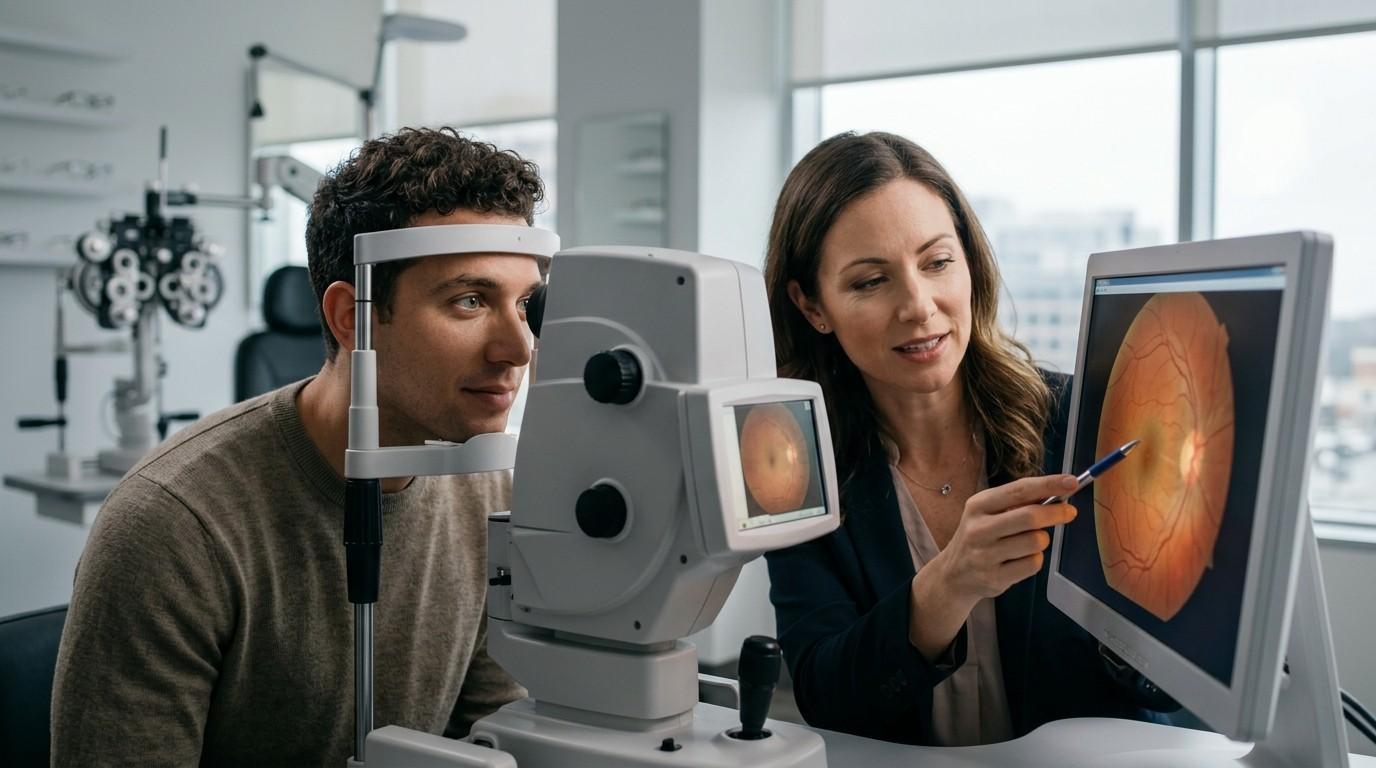
Many people assume they only need an eye exam when their vision becomes blurry or they struggle to read road signs. However, clear eyesight does not always mean your eyes are healthy. Serious conditions such as glaucoma, diabetes-related eye disease, cataracts, and retinal disorders often develop without noticeable symptoms in the early stages.
That is why scheduling a regular annual eye exam is one of the most important steps you can take to protect your long-term vision and overall health. A professional eye examination can identify hidden problems early, allowing for faster treatment and better outcomes.
At Arizona’s Vision Eye Care Center, patients receive personalized care through advanced diagnostic technology and comprehensive evaluations for every age group. Whether you need a routine eye exam, a contact lens exam, or preventive family eye care, annual visits are essential even if your eyesight feels completely normal.
Why Clear Vision Does Not Always Mean Healthy Eyes
Many eye diseases develop slowly and painlessly. You may pass a simple vision test while still experiencing underlying damage that only a trained eye care specialist can detect.
Conditions such as:
- Glaucoma
- Cataracts
- Diabetic retinopathy
- Macular degeneration
- Retinal disease
often show no warning signs until vision loss has already occurred.
A professional comprehensive eye exam evaluates much more than visual clarity. It also checks the internal health of your eyes, eye pressure, retina, and optic nerve.
Even if you believe you have perfect vision, a yearly eye checkup remains essential for preventive care.
What Happens During an Eye Exam?
Many patients ask, what happens during an eye exam?
A standard eye examination at a trusted optometry clinic typically includes several diagnostic tests to evaluate vision and eye health.
Vision Testing
Your provider may perform:
- Visual acuity test
- Refraction test
- Astigmatism test
- Nearsightedness test
- Farsightedness test
- Color blindness test
These tests determine how clearly you see and whether corrective lenses are needed.
Eye Health Screening
A complete ocular health exam may also include:
- Glaucoma screening
- Retina exam
- Retinal imaging
- Pupil dilation exam
- Tonometry eye test
- Slit lamp examination
- Cataract screening
- Dry eye exam
These advanced evaluations help detect serious conditions before symptoms appear.
Hidden Eye Conditions Annual Exams Can Detect
An annual eye exam is about far more than glasses prescriptions.
Glaucoma
Glaucoma is known as the silent thief of sight because vision loss often occurs gradually without pain. Routine eye screening appointments can detect increased eye pressure early.
Cataracts
A cataract screening identifies clouding of the eye’s natural lens before vision becomes severely affected.
Diabetic Eye Disease
A diabetic eye exam can reveal blood vessel damage caused by diabetes, sometimes before patients know they have the condition.
Retinal Problems
A retina exam and retinal imaging help identify retinal tears, detachment risks, and macular degeneration.
Dry Eye Syndrome
A dry eye exam can diagnose chronic irritation, redness, and tear production issues affecting comfort and visual quality.
How Often Should You Get an Eye Exam?
One of the most common questions patients ask is: how often should you get an eye exam?
General guidelines include:
| Age Group | Recommended Frequency |
| Children | Every 1–2 years |
| Adults under 60 | Every 1–2 years |
| Adults over 60 | Annually |
| Diabetic patients | Annually or more often |
| Contact lens wearers | Every year |
Patients experiencing symptoms such as headaches, eye strain, or blurry vision should schedule a same day eye exam or immediate eye doctor appointment.
Benefits of Preventive Eye Care
Preventive family eye care offers long-term benefits that extend beyond vision correction.
Early Disease Detection
Many health conditions first appear during a routine optical exam, including:
- Diabetes
- High blood pressure
- Autoimmune disorders
Better Vision Performance
Routine evaluations ensure your prescriptions remain accurate and comfortable.
Reduced Long-Term Costs
Early treatment helps patients avoid expensive procedures later. Preventive care can lower overall eye exam cost and future medical expenses.
Safer Driving
A regular vision exam or eye test for driving license helps maintain safe driving ability and reaction time.
Eye Exams for Children, Adults, and Seniors
Eye Exam for Children
An eye exam for children can detect developmental vision problems that may impact reading and classroom performance.
Adult Vision Care
Adults often spend long hours on digital devices, increasing eye strain and dry eye symptoms. A yearly routine eye exam helps maintain healthy visual performance.
Eye Exam for Seniors
An eye exam for seniors focuses heavily on age-related conditions like glaucoma, cataracts, and retinal degeneration.
Common Tests Included in a Comprehensive Eye Exam
At Arizona’s Vision Eye Care Center, a comprehensive eye exam may include:
- Visual acuity test
- Refraction test
- Tonometry eye test
- Retinal imaging
- Pupil dilation exam
- Slit lamp examination
- Color blindness test
- Glaucoma screening
- Retina exam
Patients searching for a comprehensive eye exam near me should choose a provider offering advanced diagnostics and personalized care.
Why Choosing the Right Eye Clinic Matters
Choosing a trusted eye clinic plays a major role in maintaining lifelong vision health.
At Arizona’s Vision Eye Care Center, patients benefit from:
- Experienced eye care specialists
- Advanced screening technology
- Personalized treatment plans
- Convenient scheduling
- Preventive and corrective care
- Compassionate family eye care
Whether you need a walk-in eye exam, contact lens fitting exam, or a yearly preventive evaluation, quality care matters.
Frequently Asked Questions
Why do I need an eye exam if my vision seems fine?
Many eye diseases develop without symptoms. A professional eye examination helps detect hidden issues early.
What is included in a comprehensive eye exam?
A comprehensive eye exam typically includes prescription testing, eye pressure checks, retinal evaluation, and overall eye health screening.
How long does a routine eye exam take?
Most appointments take between 30 and 60 minutes depending on the tests required.
Can I book an eye exam online?
Yes. Many clinics allow patients to book eye exam online for added convenience.
Does insurance cover annual eye exams?
Many vision insurance plans cover one annual eye exam each year.
What is the difference between an optometrist and ophthalmologist?
An optometrist eye exam focuses on routine vision care, while an ophthalmologist eye exam may involve medical or surgical treatment.
Conclusion
Even if your eyesight feels perfectly normal, skipping a yearly eye exam can put your long-term vision at risk. Many serious eye conditions develop silently and become harder to treat once symptoms appear.
Routine preventive care allows doctors to detect problems early, protect your eyesight, and monitor your overall eye health. Whether you need a routine eye exam, a contact lens exam, or specialized testing, annual visits are a smart investment in your health.At Arizona’s Vision Eye Care Center, patients receive comprehensive, compassionate care designed to protect vision at every stage of life. Scheduling your next eye examination today could help prevent serious vision problems tomorrow.